





📂 More Categories Like This
 Cartoon Games
 Blaze and the Monster Machines Games
 Bubble Guppies Games
 SpongeBob SquarePants Games
 Teenage Mutant Ninja Turtles Games
 The Loud House Games
 Barbie Games
 Boomerang Games
 Cartoon Network Games
 Cartoonito Games
 Disney Games
 Masha and the Bear Games
 Miraculous Games
 My Little Pony Games
 Nick Jr. Games
 The Fairly OddParents Games
 The Simpsons Games
 Thomas and Friends Games
 Winx Club Games
Play Free Nickelodeon Games Online
Play free Nickelodeon Games online! Join your favorite cartoon characters in fun adventures and exciting challenges.
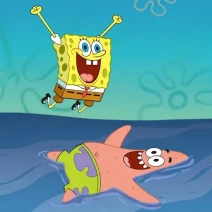
Nickelodeon Games are based on the rich universe of Nickelodeon animated series, which have become cultural icons over decades. One of the most recognizable characters is SpongeBob SquarePants, the optimistic and energetic sponge who lives in a pineapple under the sea. His best friend Patrick Star is known for his simple-minded but lovable personality, while Squidward Tentacles adds sarcasm and humor as SpongeBob’s grumpy neighbor. Together, they create one of the most popular cartoon worlds in entertainment.
Other Nickelodeon franchises also feature memorable characters. From Rugrats, Tommy Pickles leads adventurous explorations with his friends Chuckie Finster, the cautious but kind-hearted companion, and Angelica Pickles, the bossy yet comedic cousin. From Hey Arnold!, Arnold is known for his calm personality, kindness, and problem-solving skills in city life. Each of these characters contributes to the variety and charm found in Nickelodeon Games.
Online Nickelodeon Games bring these animated worlds into interactive gameplay where players can complete missions, solve puzzles, explore levels, and participate in mini-games. These games often feature platforming challenges, action sequences, arcade gameplay, and story-driven adventures inspired by different cartoon series. Whether you enjoy fast-paced action or casual gameplay, there are Nickelodeon Games for every type of player.
Nickelodeon Games come in many styles, including SpongeBob adventure games, Avatar: The Last Airbender action battles, Rugrats mini-games, puzzle challenges, racing games, and arcade-style levels. Some games focus on humor and exploration, while others emphasize combat, teamwork, and skill-based progression. Many games also include colorful animations, unlockable content, and increasingly challenging levels that keep gameplay engaging.
One of the biggest advantages of HTML5 Nickelodeon Games is that they can be played instantly on desktop, mobile, and tablet devices without downloads or installation. You can enjoy unblocked Nickelodeon Games directly in your browser anytime at school, home, or work. New cartoon adventures, character missions, and fun challenges are added regularly, giving players fresh ways to enjoy the Nickelodeon universe.


